

Despite the upfront costs, developing an app has the potential to be quite profitable. The price range spans from $5,000 to more than $1 million, depending on size and complexity.
Let’s look at the various factors that affect these costs and the most effective approaches to reduce them.Why App Development Prices Are Affected by Feature and Complexity Levels: It is inevitable that apps with more features and complexity will cost more. To achieve goals and optimise financial planning, a clear budget and schedule are necessary. Here is a closer look at the cost distribution according to complexity level:
Simple apps are those that only include a few basic features, such a lamp or calculator. Their prices often fall between $10,000 and $40,000.
Moderate Apps: These feature more sophisticated Platform Expenses and include social media and e-commerce websites.:
Platform Expenses
The platform you choose significantly impacts the cost. Here’s a comparison:
- Hybrid Apps: Developing hybrid apps for both Android and iOS costs between $13,000 and $16,000. These apps are cost-effective and time-efficient due to their cross-platform compatibility.
- Web Apps: Similarly, web apps also cost around $13,000 to $16,000.
- Single Platform Apps: Creating an app for either Android or iOS typically costs between $8,000 and $14,000.
Ongoing Costs
Developing an app isn’t a one-time expense. To remain competitive and functional, continuous investment in maintenance, updates, and new features is necessary.
Factors Affecting App Development Costs
Several factors influence the cost of app development. Understanding these can help you estimate and manage your budget more effectively:
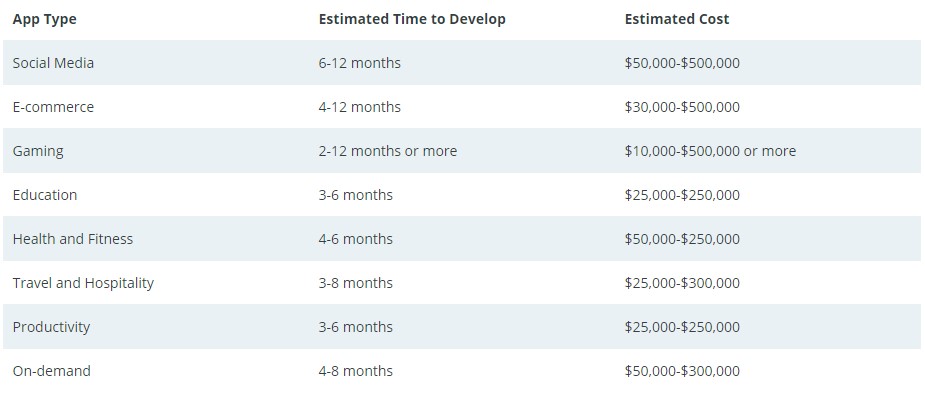
- Type of App: Different app categories come with varying levels of complexity and cost. Examples include:
- Social Media Apps: Instagram, Facebook
- E-commerce Apps: eBay, Amazon
- Gaming Apps: Candy Crush, PUBG Mobile
- Educational Apps: Coursera, Duolingo
- Health Apps: MyFitnessPal, ZocDoc
- Travel Apps: Google Maps, Airbnb
- Productivity Apps: Evernote, Trello
- On-Demand Apps: Postmates, Uber
- Platform: Developing for iOS, Android, or both affects the cost. Web apps have a different cost structure compared to hybrid apps.
- Cross-Platform Frameworks: These frameworks allow you to develop for multiple platforms with a single codebase, saving time and money. Popular frameworks include:
- React Native: Developed by Facebook, it uses React and JavaScript to build native-looking mobile apps.
- Flutter: Google’s open-source framework uses Dart to create elegant and efficient apps.
- Xamarin: Owned by Microsoft, this mature framework uses C# for development.
- .NET MAUI: A new offering from Microsoft, building upon Xamarin, uses C# and XAML for native mobile and desktop apps.
- Region: There are big regional differences in development expenses. North American hiring rates for developers are often higher than those in Eastern Europe or Asia.
- Progress Team Size: While larger teams can create apps more quickly, they may also cost more. Although they may take longer, smaller teams may be more economical.
- Security: Although implementing two-factor authentication and encryption adds to the expense, it is necessary to protect user data.
Superior UI/UX design enhances user experience and retention, but it also raises development expenses.
Hidden App Development Costs
Be aware of hidden costs that can impact your budget:
- Backend Infrastructure: Developing a robust backend involves database management and server hosting, which can be expensive.
- Third-Party Integration: Many apps require integration with services like social networks, payment gateways, and APIs. These integrations often come with additional costs.
- Security Features: Implementing advanced security measures like encryption and two-factor authentication can be costly but are crucial.
- App Store Charges: Distributing your app via Google Play or the Apple App Store involves fees for hosting, updates, and submission.
- Maintenance and Updates: Post-launch, continuous maintenance is needed to ensure smooth operation, including engineering support, server costs, and bug fixes.
- Marketing: Promoting your app to reach your target audience involves expenses for advertising, social media campaigns, and promotional events.
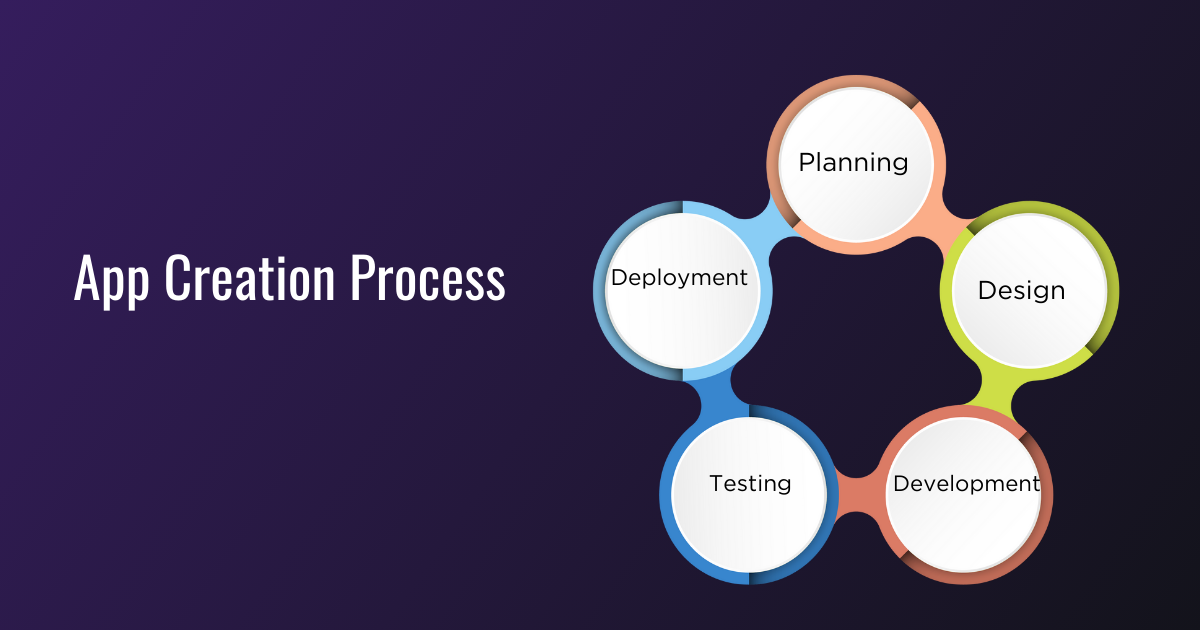
Stages of App Development
Understanding the stages of app development helps in managing costs effectively:
- Planning Phase (10% of Total Cost): Define the app’s goals, target market, features, and specifications. This involves competitor analysis and determining the app’s unique selling point.
- Design Stage (15% of Total Cost): Create the app’s interface and user experience. Costs vary based on complexity, screen count, and designer experience. High-quality UI/UX design ensures better user retention.
- Development Stage (60% of Total Cost): This includes coding, debugging, and feature integration. Costs depend on feature count, platform choice, and developer expertise. Effective project management is crucial.
- Testing Stage (10% of Total Cost): Thorough testing to identify bugs and glitches. Costs depend on the number of features, testing tools, and team size. A bug-free app is vital for user satisfaction.
- Deployment Stage (5% of Total Cost): Launch the app to the public. Deployment costs are influenced by hosting platforms and strategy. Choosing the right deployment strategy can save costs.
App Maintenance Costs
Post-launch, maintaining the app costs 15-20% of the original development cost annually. This includes:
- Bug Fixes: Continuously improving the app by fixing issues.
- Security Updates: Keeping user data secure with regular updates.
- Server Maintenance: Ensuring backend infrastructure runs smoothly.
- Customer Support: Providing user assistance to improve satisfaction and retention.
- Hosting Costs: Storing app data and files on accessible servers.
- App Updates: Keeping the app relevant with new features and improvements..
What Is the Price of Your App?
The price of developing an app is determined by various factors, including features, type, region, team size, security, and design. To manage costs effectively, consider the following:
- Use App Development Calculators: These tools provide detailed cost estimates based on specific requirements.
- Study Case Studies: Learn from others’ experiences to identify cost-saving strategies.
- Consider Maintenance Costs: Factor in ongoing maintenance expenses from the beginning.
- Hire the Right Team: Invest in skilled developers and designers to ensure quality and efficiency.
Conclusion
Developing an app involves significant financial investment, but understanding the various costs helps you manage your budget effectively. From initial planning to ongoing maintenance, every step requires careful consideration and financial planning. For professional advice and top-notch app development services, contact Cosmonaut Technologies. As a leading mobile app development company in Ahmedabad, we specialize in UI/UX design, React JS apps, and iOS and Android application development. Hire dedicated app developers from our team to bring your app concept to life quickly and affordably. By following these guidelines, you can ensure a successful app development project that meets your needs and stays within budget.